© Copyright 2020 Vanni VERONESI. All rights reserved.
Privacy Notice (ITALIANO) / Privacy Policy (ENGLISH)Cookie Notice (ITALIANO) / Cookies information (ENGLISH)
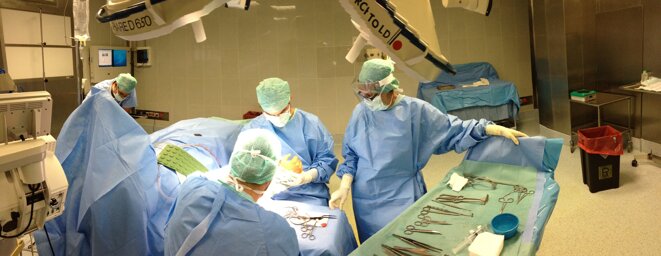
- Department of Neurosciences -
Interdepartmental Structure
of Peripheral Nervous System Surgery
- AUSL of Romagna - ITALY
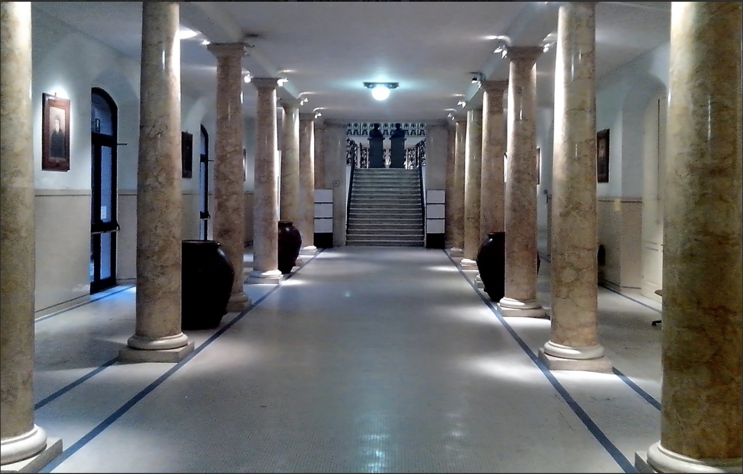
Historic Hospital "Degli Infermi" of Faenza (RA) Viale Stradone 9. ITALY
(Photo: Hall of Columns)

Specializations and Services Offered
Dr. Veronesi Vanni specializes in advanced treatments for various neurosurgical conditions.
Particular attention is dedicated to TETHERED CORD SYNDROME and OCCULT TETHERED CORD.
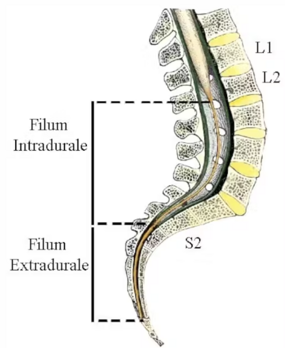
The FILUM TERMINALE is a thin filament made up of fibrovascular
tissue that connects the end of the SPINAL CORD to the COCCYX.
This elastic structure acts as a shock absorber during movements
of the spine.
The alteration of the elasticity of the FILUM TERMINALE can lead to
what can be defined as "FILUM DISEASE" and cause symptoms
associated with traction of the SPINAL CORD present in
TETHERED CORD SYNDROME and OCCULT TETHERED CORD.
These alterations are rare and require careful evaluation and personalized treatment.
Dr. Veronesi offers his 15 years of experience in this field to improve the quality of life of patients affected by the aforementioned syndromes.
Pathologies associated with TETHERED CORD SYNDROME
and OCCULT TETHERED CORD:
· Chiari Malformations
· Ehlers-Danlos Syndrome
· Cranio-cervical instability
TETHERED CORD SYNDROME AND OCCULT TETHERED CORD SYNDROME:
An underrecognized disease that is difficult to diagnose.
Two recent news reports, September 2023 and January 2026, coming from the USA, confirm the difficulty and/or delay in the diagnosis of tethered cord syndrome and occult tethered cord syndrome.
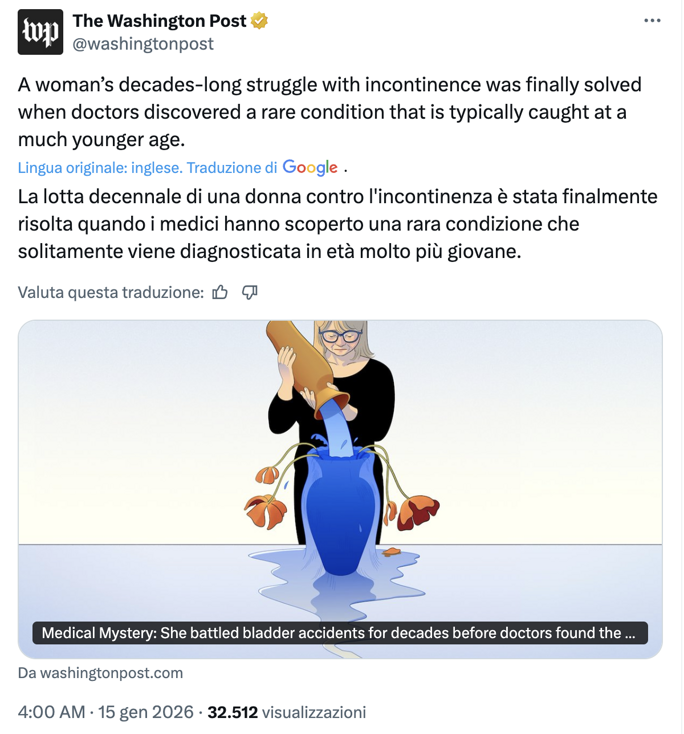
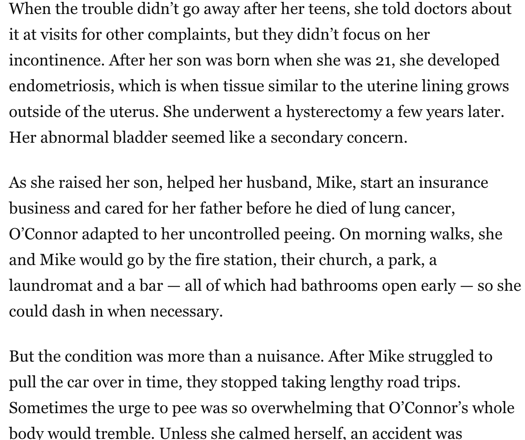
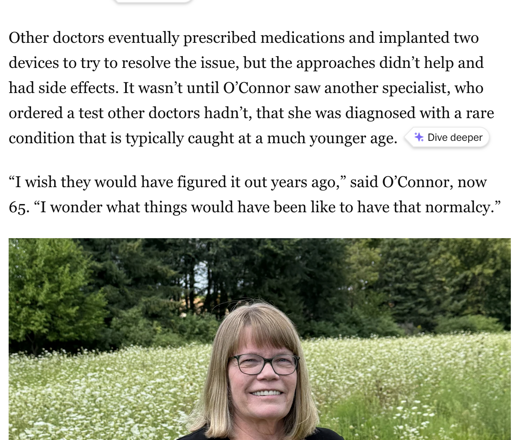
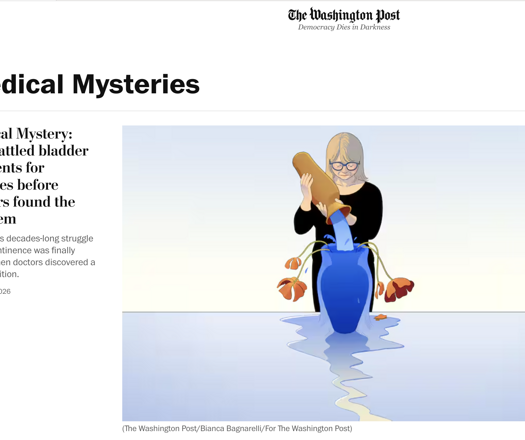
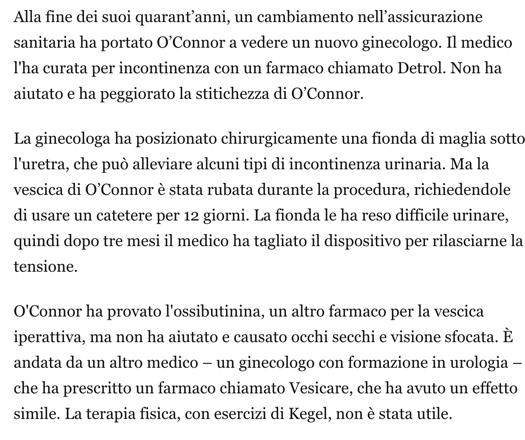
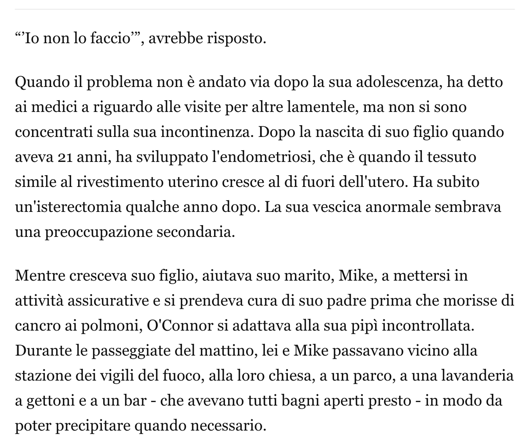
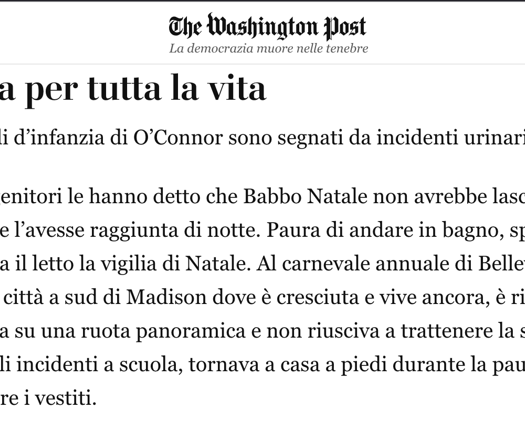
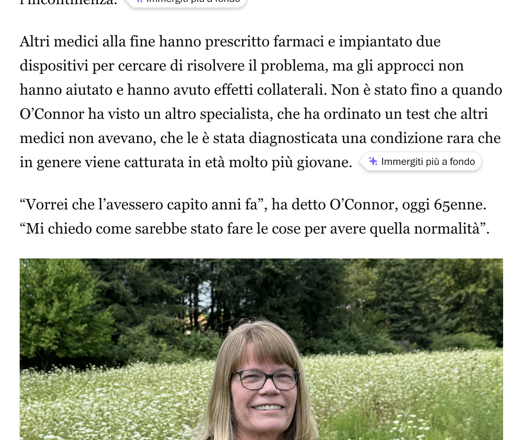
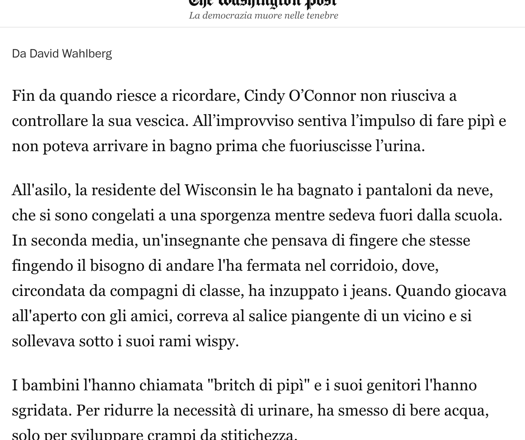
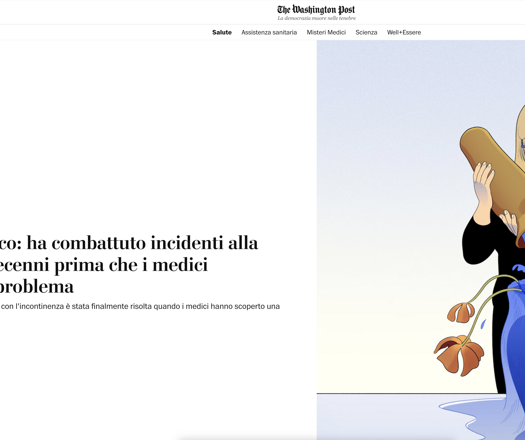
January 2026. Washington Post.
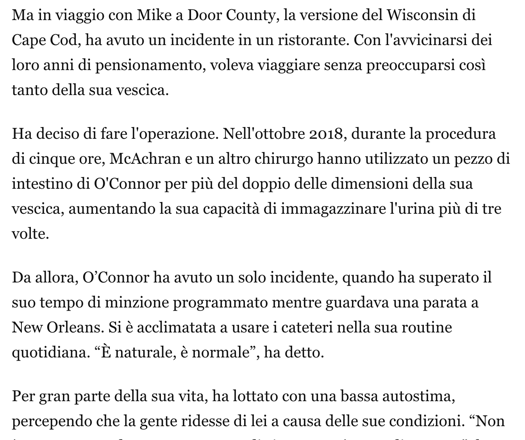
Medical mystery: She struggled with urinary incontinence for decades before doctors discovered the problem.
A woman's decades-long struggle with incontinence was finally solved when doctors recognised a rare condition.
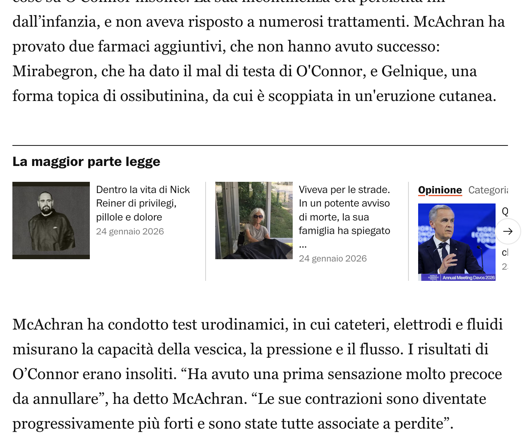
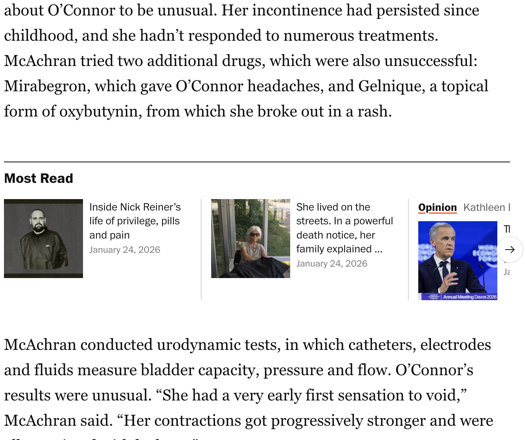
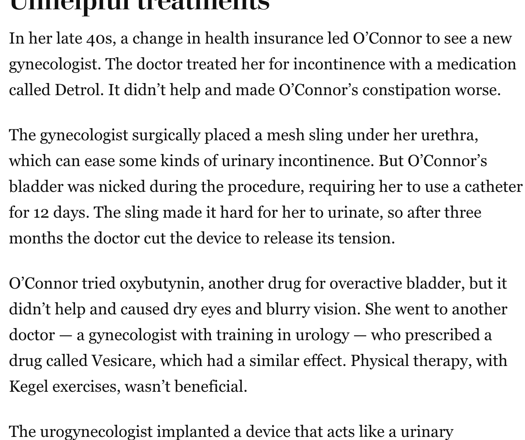
The patient's incontinence had persisted since childhood and had failed numerous treatments.
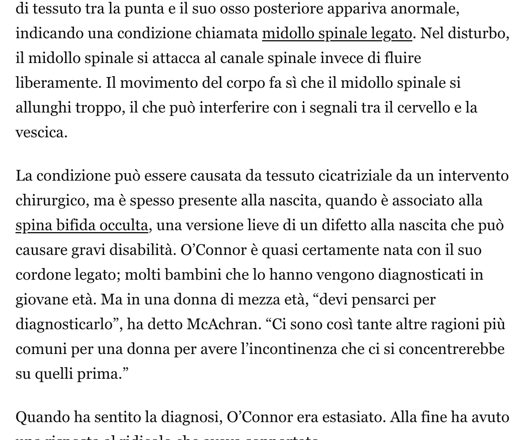
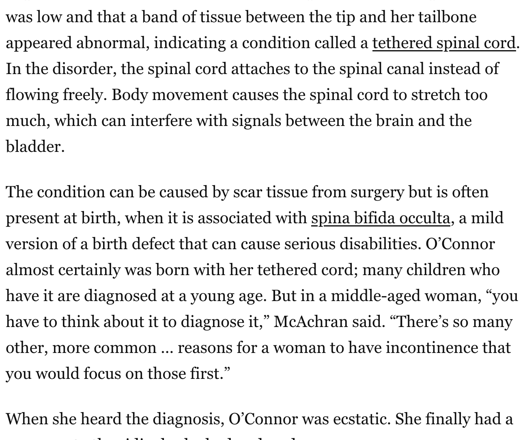
Suspecting an underlying nervous system disorder, in 2013, nearly four years after her first treatment, she consulted another urogynecologist, Sarah McAchran, at UW Health in Madison. McAchran ordered a spinal MRI. The scan revealed that the apex of the patient's spinal cord was low.
In this condition, the spinal cord can be tethered rather than flowing freely.
Body movements cause excessive stretching of the spinal cord, which can interfere with signals between the brain and the bladder.
The condition can be caused by scar tissue from surgery, but it's often present at birth when associated with spina bifida occulta, a mild form of a birth defect that can cause severe disabilities.
The patient was almost certainly born with a tethered spinal cord; many children with this condition are diagnosed at a young age. But in a middle-aged woman, "you have to think carefully about diagnosing it," McAchran said. "There are so many other, more common causes... why a woman can have incontinence, that you should focus on first."
When she received the diagnosis, the patient was over the moon.
She finally had an answer to the ridicule she had endured.
"'See, I told you it's not my fault; I don't wait too long,'" the patient told those around her. "No one listened to me for all those years. It was so frustrating."
Despite the diagnosis, finding a solution wasn't easy.
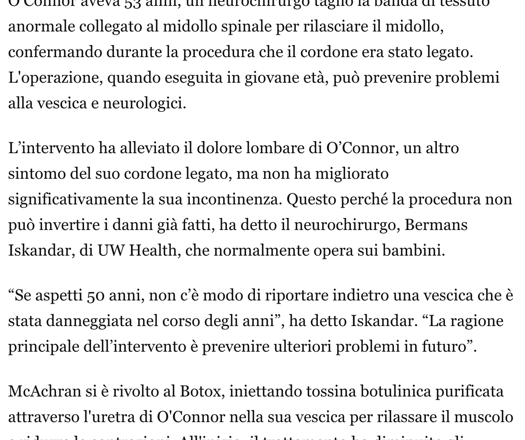
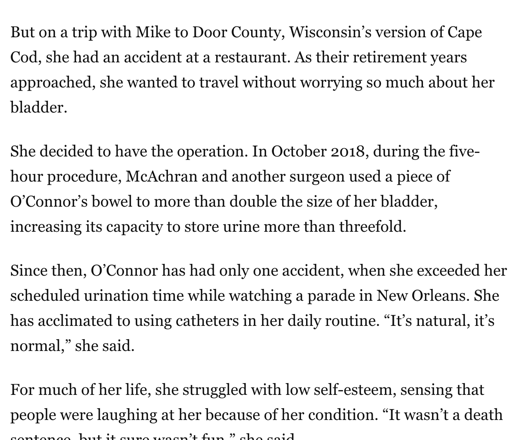
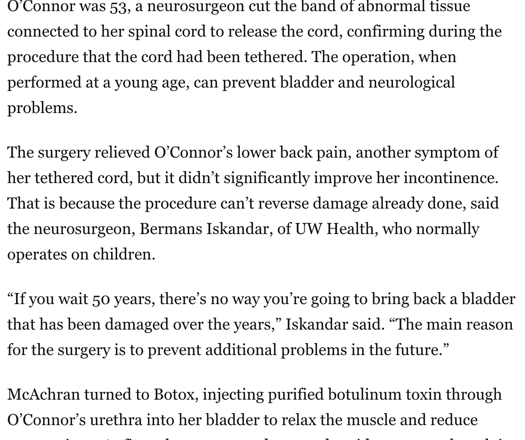
When the patient was 53, a neurosurgeon severed the band of abnormal tissue attached to her spinal cord to free it. The operation, if performed at a young age, can prevent neurological and bladder problems.
The surgery relieved the patient's lower back pain, another symptom of a tethered spinal cord, but did not significantly improve her incontinence.
This is because the procedure cannot repair damage that has already occurred, said neurosurgeon Bermans Iskandar of UW Health, who typically operates on children.
"If you wait 50 years, there's no way to repair a bladder that has been damaged over the years," Iskandar said. "The main reason for the surgery is to prevent further problems in the future."
News in English and Italian in the photo carousel below.


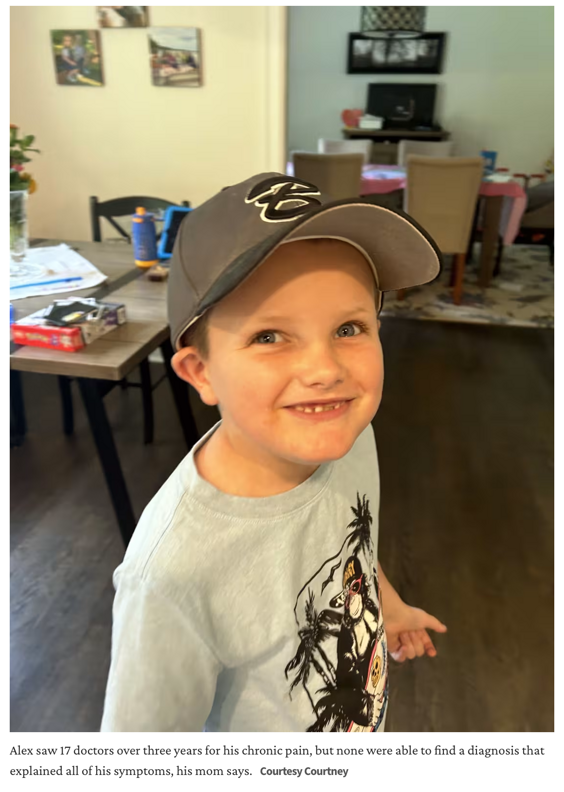
September 2023. Today.
A child saw 17 doctors in three years for chronic pain.
ChatGPT found the diagnosis.
Alex was experiencing pain that prevented him from playing with other children, but the doctors couldn't explain the cause.
The frustrated mother asked ChatGPT for help.
After spending a whole night on the computer, ChatGPT suggested a diagnosis of "Tethered Cord Syndrome," a condition also known as "Spina Bifida Occulta" or "Tethered Cord Syndrome."
The description provided by the artificial intelligence matched Alex's condition exactly. The woman immediately consulted a specialist for confirmation. But first, she joined a Facebook group for families with children affected by this condition, and after finding information on the group, she contacted a neurosurgeon specialising in spina bifida occulta for an appointment.
After his diagnosis, Alex underwent surgery to treat tethered cord syndrome. His mother stated that she shared his story with the media with the goal of helping those who are struggling to find a solution or a correct diagnosis for their conditions.
Turning to ChatGPT or other intelligent chatbots can be particularly helpful for patients with complex conditions who have difficulty obtaining a diagnosis, as in Alex's case.
However, it's best to never rely entirely on these AI devices (which, after all, are machines) and always seek confirmation from a specialist.
TETHERED CORD SYNDROME AND OCCULT TETHERED CORD SYNDROME:
An underrecognized disease that is difficult to diagnose.
The symptoms of patients with TETHERED CORD syndrome are the same as those of patients with OCCULT TETHERED CORD syndrome. Symptoms include lower-limb pain, low back pain, and difficulty controlling bowel movements, often involving the urinary tract and sometimes faecal sphincter control (the various symptoms may not all be present simultaneously). Patients are mostly children, adolescents, and young adults.
The imaging modality that aids clinical diagnosis is lumbar MRI, which, in the case of TETHERED CORD syndrome, highlights the terminal portion of the spinal cord, the conus medullaris, located caudal to the usual level between the first and second lumbar vertebrae.
The syndrome may be present even in the absence of lumbar MRI abnormalities that reveal the terminal position of the spinal cord (the conus medullaris).
In this case, Professor Yamada, the leading scholar of this syndrome, preferred to define it as TETHERED CORD WITH NORMAL POSITION OF THE CONUS MEDULLARIS, but the current common name is OCCULT TETHERED CORD syndrome.
In OCCULT TETHERED CORD syndrome, standard lumbar MRI is normal, and a special lumbar MRI in the prone position may be helpful in supporting the clinical diagnosis, based on symptoms and the results of the medical examination, which also includes specific tests.
Lumbar MRI in the prone position has been studied in OCCULT TETHERED CORD SYNDROME only in two scientific works, one by Japanese colleagues from the University of Hiroshima (Use of prone position magnetic resonance imaging for detecting the terminal filum in patients with occult tethered cord syndrome. J Neurosurg Spine 18:76–84, 2013 ©AANS, 2013) and one by myself (Prone Position Magnetic Resonance Imaging and Transhiatal Approach to Filum Terminale Externum Sectioning in Adolescents with Occult Tethered Cord Syndrome: Report of Four Cases. Pediatr Neurosurg 2020;55:432–438).
A 2020 study compared the information contained in the five data sources that represent the most authoritative voices on rare diseases:
ORPHANET (online database of rare diseases and orphan drugs),
OMIM (Online Mendelian Inheritance in Man),
GARD (Genetic and Rare Disease Information Centre),
DOID (Disease Ontology),
NCI Thesaurus (National Cancer Institute Thesaurus) (Haendel et al, Nature Review DrugDiscovery, 2020;19:77-78).
Given that 6,370 diseases are present in at least three of the aforementioned databases, 4,023 diseases are present only in individual databases. Combining these data, a total of 10,393 rare diseases emerges, a number that other studies suggest may be underestimated (Bamshad et al., Am J Hum Genet, 2019;105:448-355; Smith et al., iScience, 2022;25:104698).
TETHERED CORD SYNDROME is present in the databases ORPHANET, GARD, and NCI Thesaurus.
OCCULT TETHERED CORD SYNDROME IS NOT PRESENT IN THE ABOVE-MENTIONED RARE DISEASE DATABASES.
In occult tethered cord syndrome, the standard lumbar MRI is normal, and the support for clinical diagnosis, based on symptoms and the result of the medical examination, which also includes specific tests, is a particular lumbar MRI in the prone position.
The lumbar MRI in the prone position has been studied in OCCULT TETHERED CORD SYNDROME in only two scientific works, one by Japanese colleagues from Hiroshima University (Use of prone position magnetic resonance imaging for detecting the terminal filum in patients with occult tethered cord syndrome. J Neurosurg Spine 18:76–84, 2013 ©AANS, 2013) and one of mine (Prone Position Magnetic Resonance Imaging and Transhiatal Approach to Filum Terminale Externum Sectioning in Adolescents with Occult Tethered Cord Syndrome: Report of Four Cases. Pediatr Neurosurg 2020;55:432–438).
The OCCULT TETHERED CORD SYNDROME is therefore almost unknown in the medical community; in the medical literature to date "only" 563 scientific works have been published, compared to 34,692 on TETHERED CORD.
My patients are operated on with an innovative minimally invasive surgical technique under local anesthesia, which I have been performing since 2010, which reduces the possible complications of traditional surgery to only the skin incision, while it does not present the various complications, sometimes clinically relevant, of classical surgery (for detailed differences between minimally invasive surgery under local anesthesia and traditional surgery under general anesthesia see the dedicated page within my website CLICKING HERE).
This minimally invasive surgical technique under local anaesthesia was described by me for the first time in an international scientific journal: TECHNICAL CASE REPORT. Transhiatal Approach to Filum Terminale Externum Sectioning in Adult Patient With Tethered Cord Syndrome: Case Report. Operative Neurosurgery 15:E1–E4, 2018.
This minimally invasive surgery can also be applied in cases of TETHERED CORD.
Surgical procedures are currently performed at the "Per gli Infermi" Hospital in Faenza, previously also at the Hospitals of Lugo and Cattolica.
For information, you can visit my website, where I recommend watching the pre- and post-operative videos of patients treated for this pathology, the social media through which Italian and foreign patients, including those I have operated on, share experiences or through written patient testimonials, see Qsalute :
CLICK HERE FOR Qsalute NEUROSURGERY HOSPITAL OF FAENZA
CLICK HERE FOR Qsalute HOSPITAL OF FAENZA
CLICK HERE FOR Qsalute HOSPITAL OF LUGO
Despite all the difficulties in obtaining a correct diagnosis, from 2010 to todayIn occult tethered cord syndrome, the standard lumbar MRI is normal, and the support for clinical diagnosis, based on symptoms and the result of the medical examination, which also includes specific tests, is a particular lumbar MRI in the prone position. I have operated on more than 400 patients across 19 of Italy's 20 regions, as well as in Europe, the Americas, Africa, and Oceania.
The symptoms of patients affected by OCCULT TETHERED CORD SYNDROME are the same as those of TETHERED CORD, often the patients are young adults who have symptoms in the lower limbs, low back pain, and difficulty controlling the sphincters, often urinary and sometimes fecal (the various symptoms may not all be present at the same time), they have a standard lumbar MRI that is normal and often do not have the correct diagnosis and are referred to a psychologist and/or psychiatrist.

INNOVATIVE VERTEBRAL SURGERY
MINIMALLY INVASIVE FOR THE EXTRADURAL SECTION OF THE FILUM TERMINALE UNDER LOCAL ANESTHESIA FOR THE TREATMENT OF TETHERED CORD AND OCCULT TETHERED CORD
A small skin incision is sufficient to perform, through the SACRAL HIATUS, the minimally invasive surgical approach under local anaesthesia to the sacral spinal canal for the sectioning of the EXTRADURAL FILUM TERMINALE.
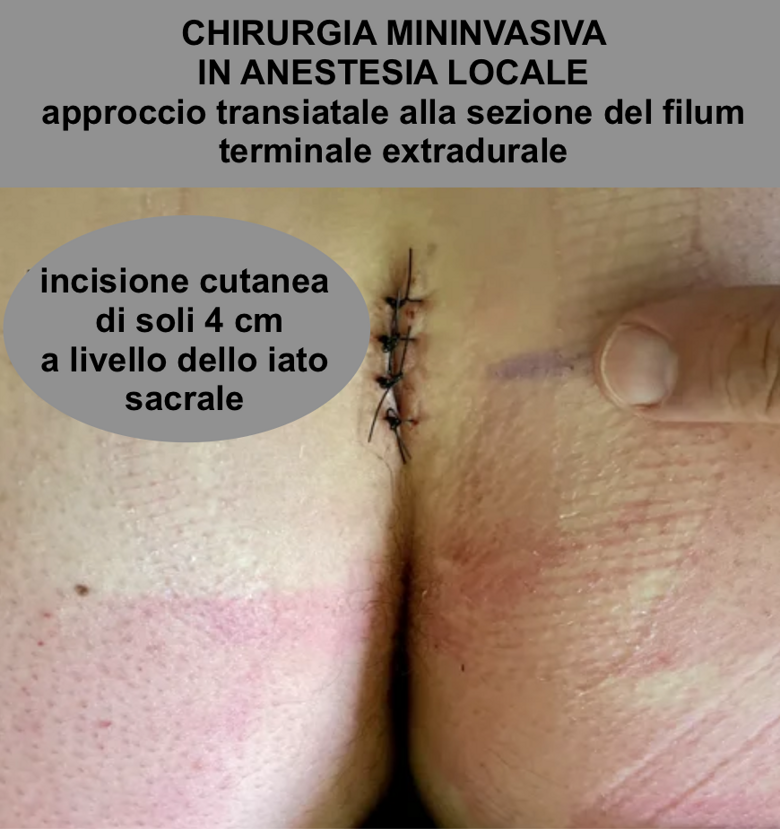
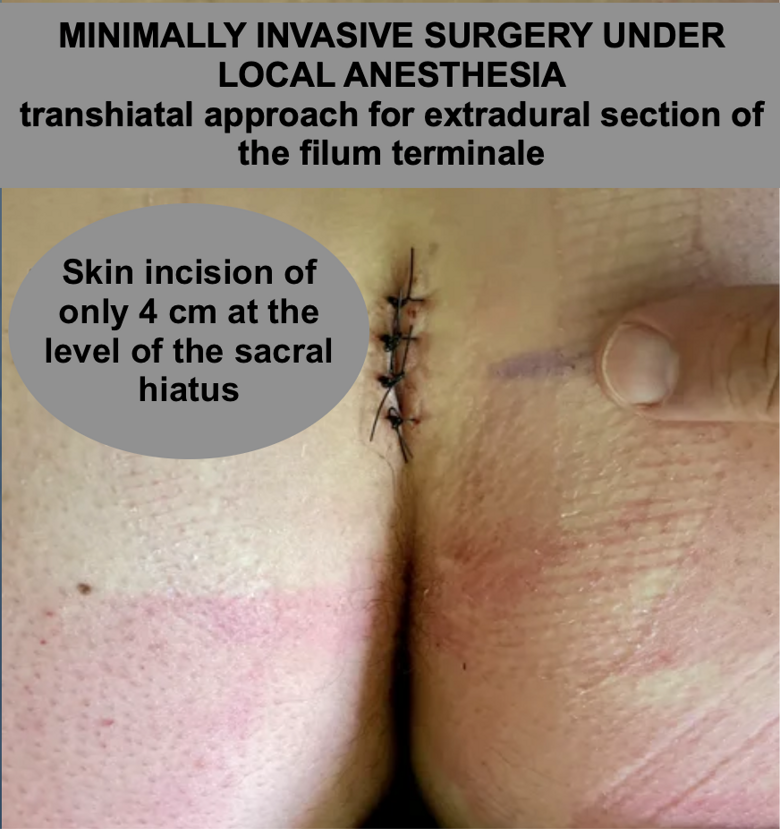
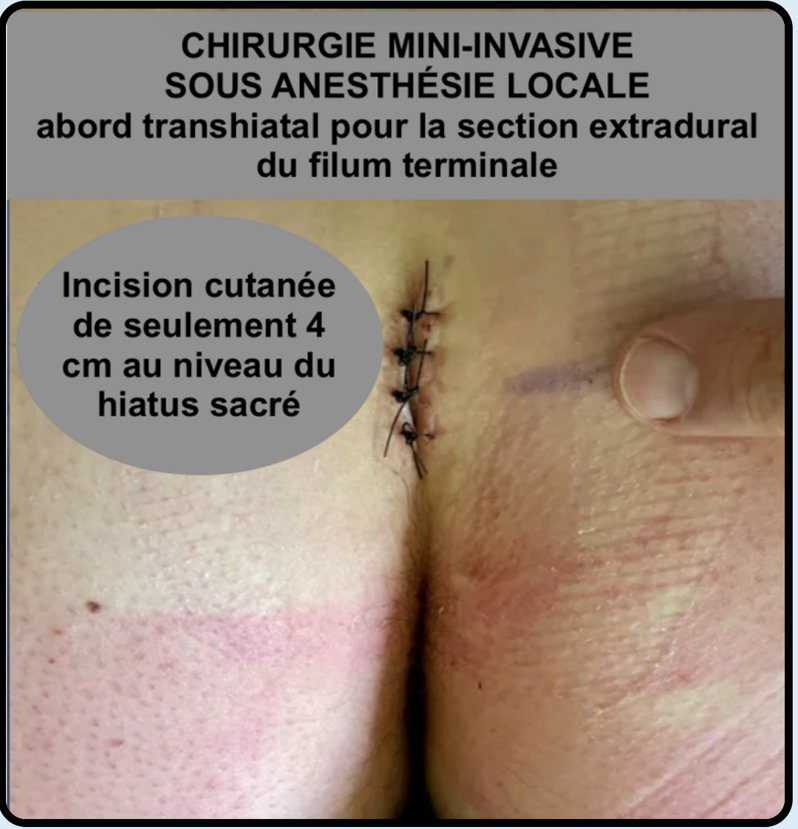
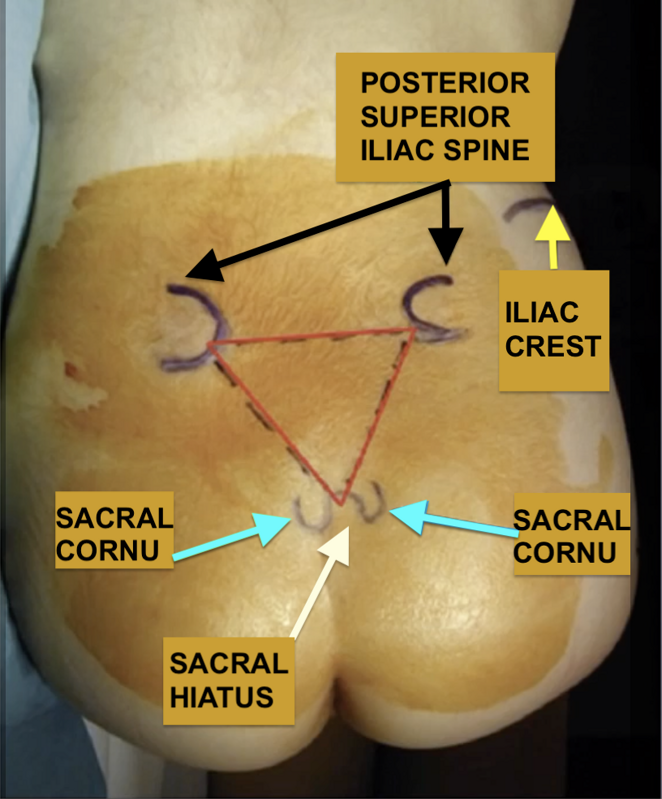
Landmark for transhiatal approach to the extradural filum terminale.
Two posterior superior iliac crests form an equilateral triangle; the top of this triangle indicates the V-shaped sacral hiatus, limited by two sacral cornua.
MINIMALLY INVASIVE SURGERY FOR THE EXTRADURAL SECTION OF THE FILUM TERMINALE UNDER LOCAL ANESTHESIA: procedure duration about 25 minutes, after one hour, the patient can start walking again, and discharge from the hospital on the same day of surgery (SEE DEDICATED PAGE WITHIN THIS SITE).
PATHOLOGIES: tethered cord syndrome and occult tethered cord syndrome may be associated with slightly descended cerebellar tonsils (LLCT) or Chiari malformation.
SYMPTOMS: Most symptoms are subjective. Lower back and leg pain can rarely become intense and debilitating; sometimes, it prevents normal walking.
PRE AND POSTOPERATIVE VIDEOS
We filmed patients with gait disorders before and after our innovative minimally invasive surgery under local anesthesia, documenting the incredible and immediate benefits.
CASE 1. 38-year-old woman.
Occult tethered cord syndrome.
CASE 2. 37-year-old woman.
Occult tethered cord syndrome.
CASE 3. 48-year-old man.
Occult tethered cord syndrome.
CASE 4. 39-year-old woman.
Tethered cord syndrome (L2) and mild descent (between 1 and 4 mm) of the cerebellar tonsils (LLCT).
CASE 5. 33-year-old woman.
Occult tethered cord syndrome, Ehlers Danlos syndrome, fibromyalgia and small fiber neuropathy.
CASE 6. 24-year-old woman.
Occult tethered cord syndrome, mild descent (between 1 and 4 mm) of the cerebellar tonsils (LLCT) and dorsal hydromyelia.
CASE 7. 13-year-old girl.
Occult tethered cord syndrome, cervical and dorsal hydromyelia, orthostatic tremor.
CASE 8. 38-year-old woman.
Tethered cord syndrome (L2) with lipomatous filum terminale.
CASE 9. 55-year-old woman.
Occult tethered cord syndrome.
CASE 10. 44-year-old woman
Tethered cord syndrome (L2) in Chiari type I malformation, cervical and dorsal syringomyelia.
CASE 11. 45-year-old woman.
Occult tethered cord syndrome in Chiari type I malformation.
CASE 12. 31-year-old woman.
Occult tethered cord syndrome and mild descent (between 1 and 4 mm) of the cerebellar tonsils (LLCT).
CASE 13. 15-year-old girl.
Occult tethered cord syndrome.
OUR SCIENTIFIC WORKS ON THE INNOVATIVE MINIMALLY INVASIVE SURGICAL TECHNIQUE IN LOCAL ANESTHESIA OF EXTRADURAL SECTION OF THE FILUM TERMINALE
Below you can read the abstracts of our groundbreaking scientific articles published in international journals, "OPERATIVE NEUROSURGERY," "PEDIATRIC NEUROSURGERY," and "CUREUS," which describe for the first time:
- Minimally invasive surgery under local anaesthesia for sectioning the extradural filum terminale for the treatment of tethered cord;
- The combination of prone lumbar MRI and minimally invasive surgery, with sectioning of the extradural filum terminale under local anaesthesia, for the treatment of occult tethered cord.
- A case report of a double extradural filum terminale, previously undescribed in medical literature.
(See the dedicated pages within the website for the association between tethered cord or occult tethered cord and low cerebellar tonsils (LLCT) or Chiari malformation).

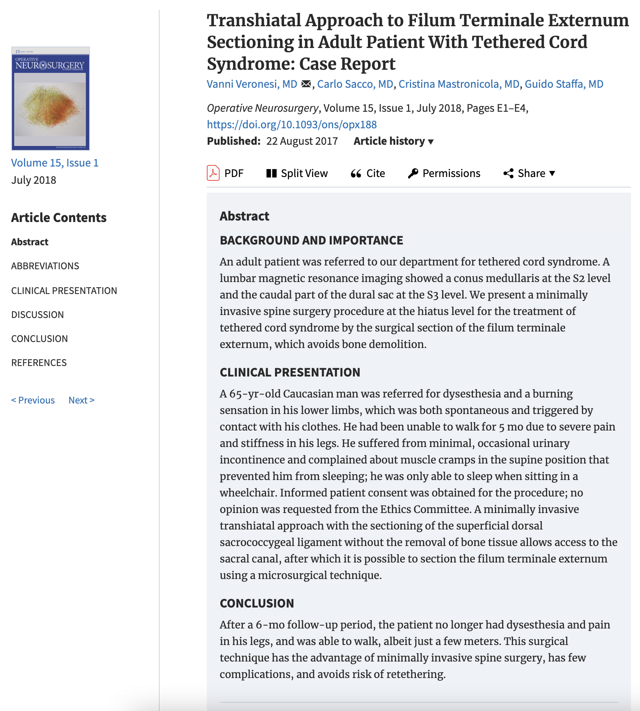
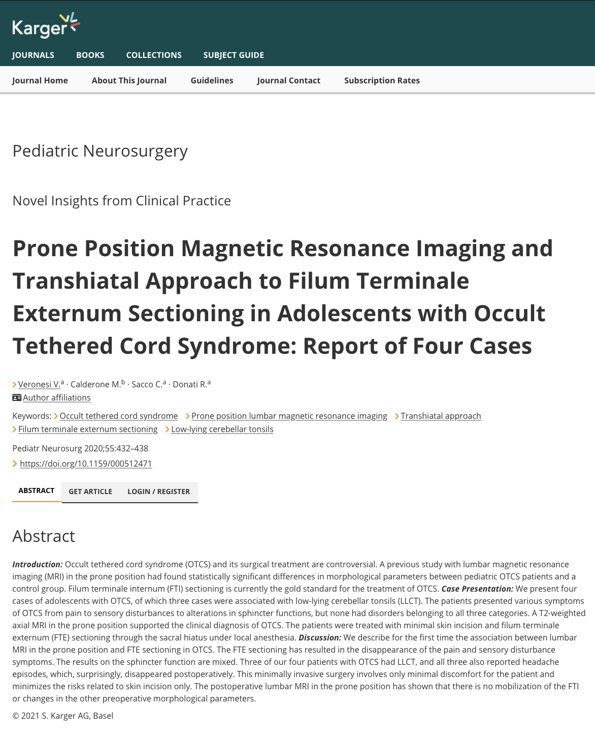
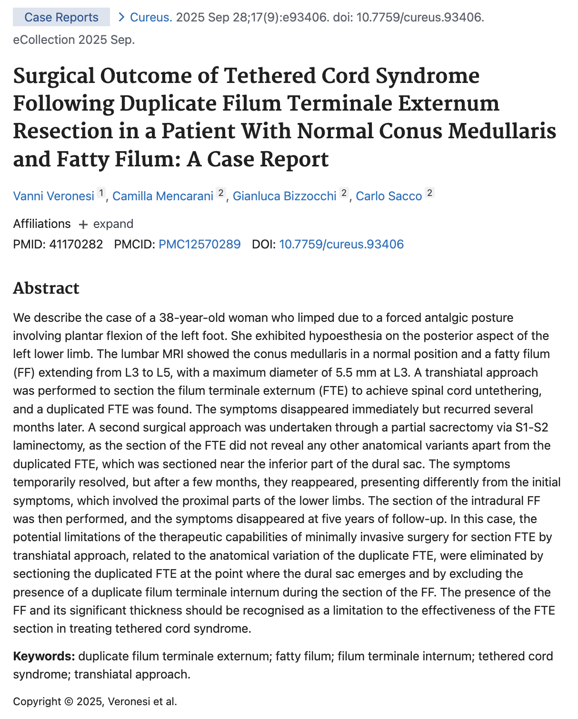
2017
Innovative microsurgical technique with a minimal skin incision, first described by us and published in the prestigious American international scientific journal "Operative Neurosurgery."
2020
Association of LUMBAR MRI IN THE PRONE POSITION and minimally invasive surgery for FILUM TERMINALE EXTERNUM (EXTRADURAL) SECTION under local anaesthesia for the diagnosis and surgical treatment of OCCULT TETHERED CORD.
2025
First description in the scientific literature of an anatomical anomaly, namely the presence of a double extradural filum terminale.
The simultaneous presence of a very thick filum lipomatosus, clearly visible on standard lumbar MRI, led, in the first case out of over 400 patients operated on, to the subsequent execution of traditional surgery of intradural section of the filum terminale.

We are a team of neurosurgeons who perform elective surgical procedures for degenerative diseases of the spine and for minimally invasive surgical treatment of tethered cord and occult tethered cord. We also perform surgical procedures for traumatic, tumoral, and entrapment pathologies of the peripheral nervous system.
WHO WE ARE
Qsalute is the Italian portal dedicated to Italian healthcare with reviews and opinions from patients about hospitals, doctors, medications, and patient discussions.
To read the reviews on the Qsalute website from patients treated at the Faenza Hospital, click on the GREEN box below for the page "NEUROSURGERY FAENZA HOSPITAL".
Other reviews can be read on the "FAENZA HOSPITAL" page, on the Qsalute website by clicking on the following link:
https://www.qsalute.it/ospedale-di-faenza/
The previous location of our surgical activity was at the Lugo Hospital (RA).
To read patient reviews on the page "NEUROSURGERY LUGO HOSPITAL" click on the following link:
http://www.qsalute.it/neurochirurgia-ospedale-lugo/

WHAT THEY SAY ABOUT US: PATIENT REVIEWS

To book a neurosurgical consultation privately with Dr. Veronesi, you can call the toll-free number 800 00 44 88 of CupTel AUSL della Romagna from Monday to Friday from 8 am to 6 pm, and on Saturdays and days before holidays from 8 am to 1 pm. Alternatively, medical appointments can be booked through the Electronic Health Record.
The clinic is inside the "Degli Infermi" Hospital of Faenza (RA) at Viale Stradone, 9.
The toll-free number 800 00 44 88 is not active for calls from outside Italy.
Patients not residing in Italy who wish to book a neurosurgical appointment at the "Degli Infermi" hospital in Faenza (RA) can send an email to veronesi.secondopinion+outpatient_booking@gmail.com
CONTACT US
The information contained on this site is intended for informational use only, not promotional and not a substitute for a medical visit or any ongoing therapies.
The information contained on this site is provided in compliance with articles 55, 56, and 57 as dictated by the Code of Medical Ethics of the NATIONAL FEDERATION OF ORDERS OF SURGEONS AND DENTISTS, May 18, 2014, and the related GUIDELINES - ORDER OF SURGEONS AND DENTISTS OF THE PROVINCE OF FORLÌ - CESENA Forlì, June 13, 2007. Updated on 12/21/2010. Authorisation from the Order of Doctors of Forlì-Cesena is requested.
The information contained on this site is written and verified by Dr Veronesi Vanni.
This site does not contain any form of purely commercial, promotional, or comparative advertising.
The site's cost is fully self-financed.
All images, trademarks mentioned, and logos reproduced on the site http://www.vanniveronesi.com/ that were not produced by Dr Veronesi Vanni belong to their legitimate owners. Said trademarks, images, and logos are mentioned for scientific, educational, or informational purposes.
On the website www.vanniveronesi.com, links to other websites are available. If you use these links, you leave this site. Dr Vanni VERONESI cannot constantly review such sites, nor does he manage or is responsible for the material contained therein. Dr Vanni VERONESI therefore does not offer any guarantee regarding the content, information, software, other products, materials, or any results obtained on websites external to www.vanniveronesi.com.
Access to other external sites through the links on this website www.vanniveronesi.com is the sole responsibility of the user.