I motivi per cui considero questo articolo scientifico pubblicato nel 2009 una pietra miliare su questo argomento sono molteplici: l'autorevolezza degli Autori, l'ampia casistica di oltre 3000 pazienti, l'aver valutato anche la lieve discesa delle tonsille cerebellari (Low-Lying Cerebellar Tonsils) e non solo la discesa delle tonsille cerebellari tali da configurare la malformazione di Chiari tipo I (CM1), l'aver correlato le varie discese delle tonsille cerebellari alla sindrome del midollo ancorato e alla sindrome del midollo ancorato occulto.
Faccio presente che il trattamento chirurgico della sindrome del midollo ancorato e della sindrome del midollo ancorato occulto è stato eseguito in ANESTESIA GENERALE con la sezione del FILUM TERMINALE INTRADURALE.
Il mio intervento chirurgico mininvasivo in ANESTESIA LOCALE della sezione EXTRADURALE del FILUM TERMINALE, di cui parlerò più avanti qui e in altre pagine del sito web, è stato pubblicato successivamente nel 2018, anche se lo eseguo dal 2010.
© Copyright 2020 Vanni VERONESI. All rights reserved.
Informativa sulla Privacy (ITALIANO) / Privacy Policy (ENGLISH)Informativa sui Cookies (ITALIANO) / Cookies information (ENGLISH)
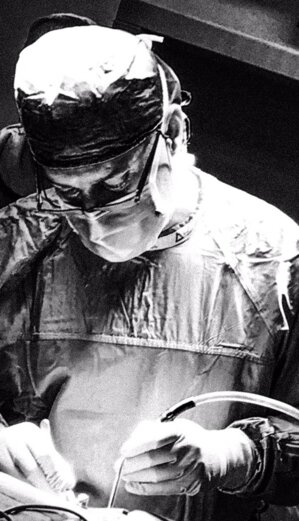
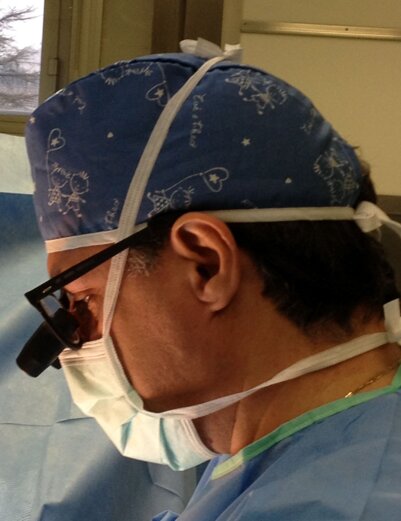
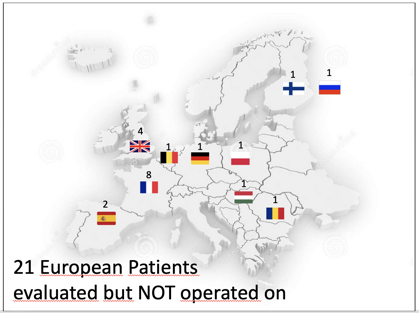
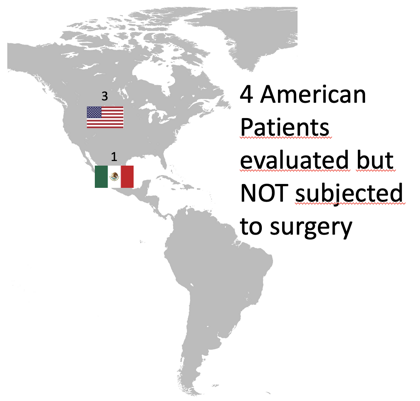
- FOREIGN PATIENTS EVALUATED
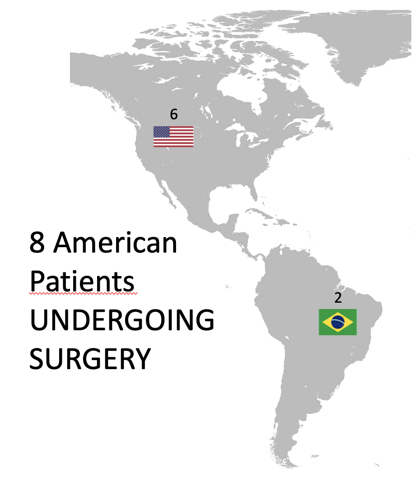
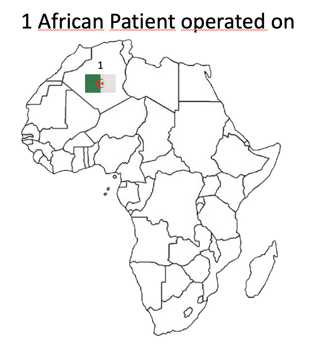
- FOREIGN PATIENTS OPERATED
EUROPEAN PATIENTS
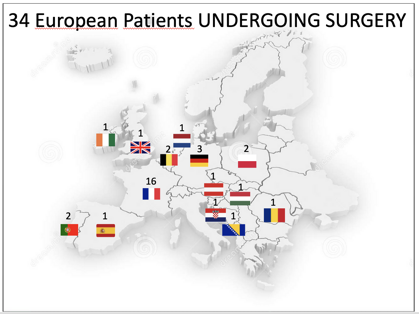

AMERICAN PATIENTS

TOTAL
68 FOREIGN PATIENTS
55 EUROPEAN PATIENTS

12 AMERICAN PATIENTS
1 AFRICAN PATIENT
42 FOREIGN PATIENTS
UNDERGOING THE INNOVATIVE MINIMALLY INVASIVE SURGICAL TREATMENT UNDER LOCAL ANESTHESIA OF EXTRADURAL (EXTERNUM) FILUM TERMINALE SECTION WITH MINIMAL SKIN INCISION AND
MICROSURGICAL TECHNIQUE
- In September 2025, 38-year-old female from FRANCE.
DIAGNOSIS: OCCULT TETHERED CORD SYNDROME IN A PATIENT WITH CHIARI MALFORMATION TYPE I AND SMALL DORSAL SYRINGOMYELIA.
- In August 2025, a 21-year-old female from SPAIN.
DIAGNOSIS: OCCULT TETHERED CORD SYNDROME IN A PATIENT WITH A SMALL PORTION OF FATTY FILUM.
- In June 2025, a 12-year-old girl from the UNITED STATES OF AMERICA.
DIAGNOSIS: OCCULT TETHERED CORD SYNDROME IN A PATIENT WITH CHIARI MALFORMATION TYPE I, RIGID CHILD SYNDROME AND HYPEREKPLEXIA.
-In June 2025, a 39-year-old man from BELGIUM.
DIAGNOSIS: OCCULT TETHERED CORD SYNDROME IN A PATIENT WITH LOW LYING CEREBELLAR TONSILS (LLCT) AND DORSAL HYDROMYELIA.
- In May 2025, a 44-year-old woman from FRANCE.
DIAGNOSIS: OCCULT TETHERED CORD SYNDROME IN A PATIENT WITH CHIARI MALFORMATION TYPE I.
- In May 2025, a 20-year-old woman from the UNITED STATES OF AMERICA.
DIAGNOSIS: OCCULT TETHERED CORD SYNDROME IN A PATIENT WHO HAD SURGERY IN THE UNITED STATES OF AMERICA FOR CRANIAL POSTERIOR FOSSA DECOMPRESSION FOR TREATMENT OF CHIARI MALFORMATION TYPE I.
- In March 2025, a 39-year-old female from CROATIA.
DIAGNOSIS: OCCULT TETHERED CORD SYNDROME IN A PATIENT DIAGNOSED WITH POTS AND EHLERS-DANLOS SYNDROME. THE PATIENT HAD PREVIOUS CRANIO-CERVICAL STABILISATION SURGERY FOR THE TREATMENT OF CRANIO-CERVICAL INSTABILITY (CCI) AND ATLANTOAXIAL INSTABILITY (AAI).
The European Directive 2011/24/EU facilitates access to safe and high-quality cross-border healthcare, ensures patient mobility, and promotes cooperation in healthcare between the Member States of the European Union while respecting national competencies in the organisation of their healthcare systems. Cross-border healthcare is crucial for individuals with rare diseases. European collaboration in this area is invaluable, as it facilitates the exchange of knowledge and expertise. According to the Cross-border Healthcare Directive, patients can access care and treatment in another European country, enabling those with rare diseases to benefit from cutting-edge therapies tailored to their specific conditions. The application of the aforementioned European Directive depends on the medical commission of the competent health insurance institution of the country where the patient resides, which authorises the surgical treatment abroad using the S2 form.
The medical commission of her country considered it impossible to perform this minimally invasive surgery in CROATIA. Considering our centre of excellence, they applied the European directive 2011/24/EU for cross-border care. Using the S2 model, the CROATIAN Health System covered the expenses.
- In December 2024, a 56-year-old AMERICAN male was in Germany for work. DIAGNOSIS:
TETHERED CORD SYNDROME (L2-L3 level) IN A PATIENT WITH A PREVIOUS DIAGNOSIS OF CRANIO-CERVICAL INSTABILITY (CCI) AND ATLATOAXIAL INSTABILITY (AAI).
- In September 2024, a 29-year-old man from POLAND.
DIAGNOSIS: OCCULT TETHERED CORD SYNDROME.
- In July 2024, a 13-year-old boy from GERMANY.
DIAGNOSIS: TETHERED CORD SYNDROME (L2-L3 level) IN A PATIENT WITH SCOLIOSIS AND DORSAL HYDROMYELIA.
The European Directive 2011/24/EU facilitates access to safe and high-quality cross-border healthcare, ensures patient mobility, and promotes cooperation in healthcare between the Member States of the European Union while respecting national competencies in the organisation of their healthcare systems. Cross-border healthcare is crucial for individuals with rare diseases. European collaboration in this area is invaluable, as it facilitates the exchange of knowledge and expertise. According to the Cross-border Healthcare Directive, patients can access care and treatment in another European country, enabling those with rare diseases to benefit from cutting-edge therapies tailored to their specific conditions. The application of the aforementioned European Directive depends on the medical commission of the competent health insurance institution of the country where the patient resides, which authorises the surgical treatment abroad using the S2 form.
The medical commission of his country considered it impossible to perform this minimally invasive surgery in GERMANY. Considering our centre of excellence, they applied the European directive 2011/24/EU for cross-border care. Using the S2 model, the German health system covered the expenses.
- In July 2024, a 33-year-old woman from FRANCE.
DIAGNOSIS: OCCULT TETHERED CORD SYNDROME IN A PATIENT WITH CHIARI MALFORMATION TYPE I AND C7-D1 SYRINGOMYELIA.
- In May 2024, a 25-year-old woman from FRANCE.
DIAGNOSIS: OCCULT TETHERED CORD SYNDROME IN A PATIENT WITH CERVICAL AND DORSAL HYDROMYELIA.
- In March 2024, a 24-year-old man from FRANCE.
DIAGNOSIS: OCCULT TETHERED CORD SYNDROME IN A PATIENT WITH CHIARI TYPE I MALFORMATION AND CERVICAL AND DORSAL HYDROMYELIA.
- In February 2024, a 35-year-old woman from FRANCE.
DIAGNOSIS: OCCULT TETHERED CORD SYNDROME IN A PATIENT WITH MALFORMATION CHIARI TYPE I.
- In December 2023, a 31-year-old woman from GERMANY.
DIAGNOSIS: OCCULT TETHERED CORD SYNDROME IN A PATIENT WITH CRANIAL-CERVICAL INSTABILITY.
- In October 2023, a 34-year-old man from ALGERIA.
DIAGNOSIS: OCCULT TETHERED CORD SYNDROME.
- In September 2023, a 42-year-old woman from AUSTRIA.
DIAGNOSIS: OCCULT TETHERED CORD SYNDROME IN A PATIENT WITH CHIARI MALFORMATION TYPE I.
- In September 2023, a 37-year-old woman from the UNITED STATES OF AMERICA.
DIAGNOSIS: OCCULT TETHERED CORD SYNDROME IN A PATIENT WITH SUSPECTED EHLERS-DANLOS SYNDROME.
- In September 2023, a 25-year-old man from PORTUGAL.
DIAGNOSIS: OCCULT TETHERED CORD SYNDROME IN A PATIENT WITH DORSAL SYRINGOMYELIA.
- In July 2023, a 35-year-old woman from FRANCE.
DIAGNOSIS: OCCULT TETHERED CORD SYNDROME IN A PATIENT WITH CHIARI MALFORMATION TYPE I.
- In May 2023, a 23-year-old woman from the UNITED STATES OF AMERICA.
DIAGNOSIS: OCCULT TETHERED CORD SYNDROME IN A PATIENT WITH EHLERS-DANLOS.
- In May 2023, a 39-year-old woman from PORTUGAL.
DIAGNOSIS: OCCULT TETHERED CORD SYNDROME IN A PATIENT WITH CHIARI MALFORMATION TYPE I.
- In April 2023, a 34-year-old woman from FRANCE.
DIAGNOSIS: OCCULT TETHERED CORD SYNDROME IN A PATIENT WITH MALFORMATION OF CHIARI TYPE I.
- In March 2023, a 34-year-old woman from FRANCE.
DIAGNOSIS: OCCULT TETHERED CORD SYNDROME IN A PATIENT WITH CHIARI MALFORMATION TYPE I.
- In December 2022, a 25-year-old man from FRANCE.
DIAGNOSIS: OCCULT TETHERED CORD SYNDROME IN A PATIENT WITH LOW-LYING CEREBELLAR TONSILS (LLCT) AND DORSAL HYDROMYELIA.
- In June 2022, an 18-year-old woman from IRELAND.
DIAGNOSIS: OCCULT TETHERED CORD SYNDROME IN A PATIENT WITH LOW-LYING CEREBELLAR TONSILS (LLCT).
- In June 2022, a 29-year-old woman from THE NETHERLANDS.
DIAGNOSIS: OCCULT TETHERED CORD SYNDROME.
- In March 2022, a 30-year-old man from GERMANY.
DIAGNOSIS: OCCULT TETHERED CORD SYNDROME IN A PATIENT WITH CERVICAL SYRINGOMYELIA AND SCOLIOSIS.
- In May 2021, a 22-year-old woman from FRANCE.
DIAGNOSIS: OCCULT TETHERED CORD SYNDROME IN A PATIENT WITH LOW-LYING CEREBELLAR TONSILS (LLCT).
- In May 2021, a 42-year-old man from FRANCE.
DIAGNOSIS: OCCULT TETHERED CORD SYNDROME.
-In May 2021, a 39-year-old woman from FRANCE.
DIAGNOSIS: OCCULT TETHERED CORD SYNDROME IN A PATIENT WHO HAD CRANIAL DECOMPRESSION OPERATION IN FRANCE FOR THE TREATMENT OF CHIARI TYPE I MALFORMATION.
- In May 2021, a 40-year-old man from ENGLAND.
DIAGNOSIS: OCCULT TETHERED CORD SYNDROME IN A PATIENT WITH LOW-LYING CEREBELLAR TONSILS (LLCT).
- In May 2021, a 31-year-old woman from ROMANIA.
DIAGNOSIS: OCCULT TETHERED CORD SYNDROME IN A PATIENT UNDER CRANIAL-CERVICAL STABILIZATION OPERATION IN SPAIN FOR THE TREATMENT OF CRANIAL-CERVICAL INSTABILITY.
- In March 2020, a 32-year-old woman from FRANCE.
DIAGNOSIS: OCCULT TETHERED CORD SYNDROME IN A PATIENT WITH CHIARI MALFORMATION TYPE I.
- In October 2019, a 53-year-old woman from FRANCE.
DIAGNOSIS: OCCULT TETHERED CORD SYNDROME IN A PATIENT WITH CERVICO-DORSAL HYDROMYELIA AND SCOLIOSIS.
- In September 2019, a 35-year-old man from BELGIUM.
DIAGNOSIS: TETHERED CORD SYNDROME (L2-L3 level) IN A PATIENT WITH LOW-LYING CEREBELLAR TONSILS (LLCT) AND CERVICAL SYRINGOMYELIA.
- In May 2019, a 45-year-old woman from FRANCE.
DIAGNOSIS: OCCULT TETHERED CORD SYNDROME IN A PATIENT WITH CHIARI MALFORMATION TYPE I.
- In March 2019, a 49-year-old woman from BRAZIL.
DIAGNOSIS: OCCULT TETHERED CORD SYNDROME IN A PATIENT WITH CHIARI MALFORMATION TYPE I.
- In March 2019, a 36-year-old man from the UNITED STATES OF AMERICA.
DIAGNOSIS: OCCULT TETHERED CORD SYNDROME IN A PATIENT WITH CERVICO-DORSAL SYRINGOMYELIA.
- In January 2019, the first patient from another continent was a 28-year-old woman from BRAZIL.
DIAGNOSIS: OCCULT TETHERED CORD SYNDROME IN A PATIENT WHO HAD TWICE SURGERY IN BRAZIL FOR CRANIAL DECOMPRESSION FOR TREATMENT OF CHIARI MALFORMATION TYPE I.
- In September 2018, a 25-year-old man from POLAND.
DIAGNOSIS: OCCULT TETHERED CORD SYNDROME IN A PATIENT WITH CERVICAL SYRINGOMYELIA.
- In October 2017, a 33-year-old man from HUNGARY.
DIAGNOSIS: OCCULT TETHERED CORD SYNDROME.
The European Directive 2011/24/EU facilitates access to safe and high-quality cross-border healthcare, ensures patient mobility, and promotes cooperation in healthcare between the Member States of the European Union while respecting national competences in the organisation of their healthcare systems. Cross-border healthcare is crucial for individuals with rare diseases. European collaboration in this area is invaluable, as it facilitates the exchange of knowledge and expertise. According to the Cross-border Healthcare Directive, patients can access care and treatment in another European country, enabling those with rare diseases to benefit from cutting-edge therapies tailored to their specific conditions. The application of the aforementioned European Directive depends on the medical commission of the competent health insurance institution of the country where the patient resides, which authorises the surgical treatment abroad using the S2 form.
The medical commission of his country considered it impossible to perform this minimally invasive surgery in CROATIA. Considering our centre of excellence, it applied the European directive 2011/24/EU for cross-border care. Using the S2 model, the CROATIAN Health System covered the expenses.
- In 2015, the first foreign patient was a 36-year-old man from BOSNIA.
DIAGNOSIS: OCCULT TETHERED CORD SYNDROME.
FROM 2010, ABOUT 400 ITALIAN PATIENTS FROM 18 OF THE 20 ITALIAN REGIONS HAVE BEEN TREATED WITH MINI-INVASIVE SURGERY OF THE EXTRADURAL FILUM TERMINALE SECTIONING.

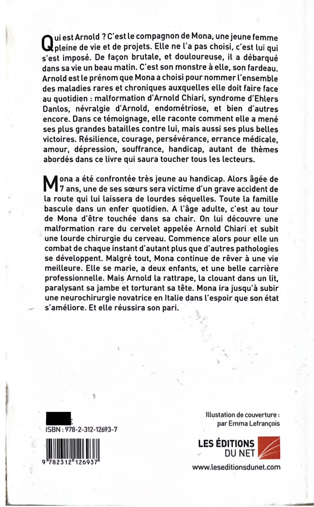
Testimony of a French patient
This book is written by a French patient who previously underwent cranial decompression surgery in France for the treatment of Chiari malformation.
The patient subsequently underwent surgery in Italy by me using the minimally invasive surgical technique of sectioning the extradural filum terminale under local anaesthesia for the treatment of occult tethered cord syndrome.
On the left is the book cover image; on the right is the back cover image.
The book is written in French.
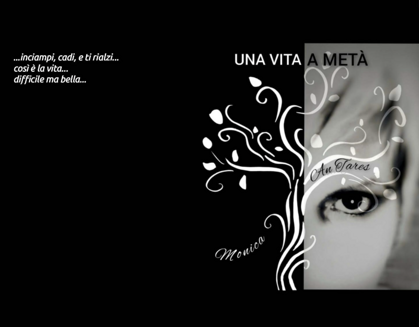
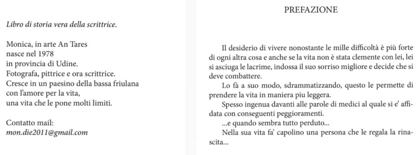
Testimony of an Italian Patient
A book written by an Italian patient with Chiari malformation who underwent surgery by me using the minimally invasive surgical technique of sectioning the extradural filum terminale under local anaesthesia for the treatment of occult tethered cord syndrome.
On the left is the book cover image; on the right is the preface image.
The book is written in Italian.
CLICK HERE to view her video testimony, case number 11, among those featured on the dedicated page on the website.
CLICK HERE to link only to her video, which is available on my YouTube channel.
Review on the Qsalute website of the first foreign patient, he is a 36 year old man from Bosnia who underwent surgery in 2015
Italy should be proud
After years of research for the cause of my problems, there was a suspicion that I was suffering from a rare condition called occult tethered cord syndrome. Doctors in my country know very little about this condition, so we needed help getting the right diagnosis.
On the internet I found an e-mail address of Veronesi M.D. and asked him if he also treated international patients. A few days later, the answer was in my inbox: of course I treat them, what's your problem, what needs to be solved? First, he helped me get a correct diagnosis, he sent me a document describing a way to do a prone MRI, thus allowing me to do the lumbar MRI in a prone position at the hospital in my country. He was under no obligation to do so, I live in another country. I immediately understood that he is an extraordinary man. Then I went to the first checkup in Italy, and the surgery was scheduled for about a year later. The intervention is quick and painless and the hospital stay is short. My recovery was incredible, my condition improved very quickly after the surgery: there was no back pain, the pain in the legs was gone, the urological condition started to improve and I was sleeping much better than before of surgery. One year after the surgery my condition improved further, only minor urological problems are still present. It is important to note that I am 38 years old, so I am a case of adult occult tethered cord syndrome, neglected for years because the doctors in my country did not know how to help me. I didn't know what to expect, instead the surgery was effective and successful. Now my life is easier, my problems are minor after the surgery.
This is the professionalism of Veronesi M.D., he is truly remarkable, honest man, not easy to find these days. Thanks also to Sacco M.D. and all the hospital staff. Italy should be proud of you!
PATIENTS IN WHICH TETHERED SPINAL CORD SYNDROME OR OCCULT TETHERED SPINAL CORD SYNDROME IS ASSOCIATED WITH CHIARI MALFORMATION TYPE I: MEDICAL CONSIDERATIONS
THE TETHERED CORD SYNDROME OR OCCULT TETHERED CORD SYNDROME MAY BE ASSOCIATED WITH CHIARI MALFORMATION TYPE I, IT IS NOT ALWAYS POSSIBLE TO ESTABLISH, IN A CLEAR WAY, THE BORDER BETWEEN THE SYMPTOMS OF ONE AND OF THE OTHER PATHOLOGY.
THE SYMPTOMS THAT USUALLY ASSOCIATE WITH THE TETHERED CORD SYNDROME OR OCCULT TETHERED CORD SYNDROME ARE LUMBAR OR SACRAL PAIN, IN THE LOWER LIMBS MAY HAVE PAIN, PARESTHESIA AND EASY TIRABILITY, DISORDERS IN URINARY AND FECAL SPHINCTERS MAY BE PRESENT.
FILUM TERMINALE EXTERNUM SECTIONING WITH MINI-INVASIVE TECHNIQUE IN LOCAL ANESTHESIA IS NOT THE SURGICAL TREATMENT OF CHIARI MALFORMATION TYPE I.
THE TREATMENT OF CHIARI MALFORMATION TYPE I IS CRANIAL DECOMPRESSION IN POSTERIOR FOSSA, WITH THE DIFFERENT TECHNICAL VARIANTS.
HOWEVER, IN MY EXPERIENCE, IN PATIENTS WITH TETHERED CORD SYNDROME OR OCCULT TETHERED CORD SYNDROME EVEN SOME DISORDERS TYPICALLY CONNECTED TO THE CHIARI MALFORMATION TYPE I CAN IMPROVE AFTER THE FILUM TERMINALE EXTERNUM SECTIONING.
LAST UPDATE SEPTEMBER 13, 2025
© Copyright 2020 Vanni VERONESI. All rights reserved.